
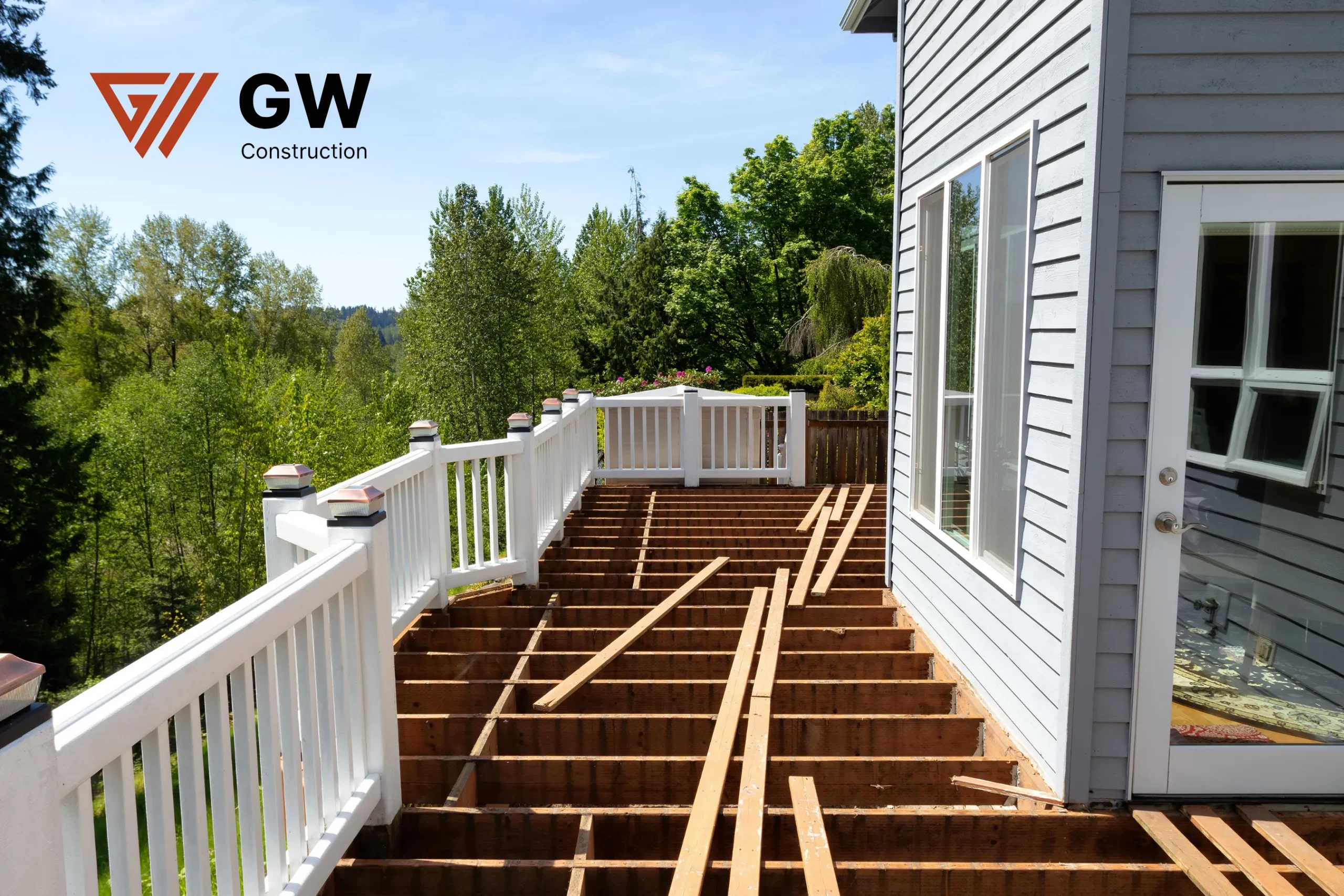
As a contractor who has worked on dozens of compliance repair projects in San Diego, here is what we have seen firsthand and what every HOA board and property manager should consider before making this decision.
Why Wood Failed in the First Place
The entire reason SB 721 and SB 326 exist is because wood-framed balconies and decks deteriorated over time, sometimes catastrophically. In 2015, California Deck Inspection reported a balcony collapse in Berkeley that killed six people and injured seven others, caused by rotted wood structural members that had not been properly maintained or inspected.
Wood is a natural material that degrades when exposed to moisture, temperature changes, and lack of maintenance. Left unchecked, wood rot compromises structural integrity and that is exactly what these laws are designed to prevent.
So when it comes time to repair, it is worth asking: should we replace rotted wood with more wood, or is there a better option?
The Case for Steel
Steel structural components such as beams, brackets and supports are virtually immune to the problems that cause wood to fail. Steel does not rot. It does not attract termites. When properly treated or galvanized, it resists corrosion for decades.
When we first started doing compliance repair work, we installed steel beams on landings, stairs, and structural connections wherever possible. HOA managers loved it because it meant those components would never need to be repaired again. Steel lasts generations, not decades.
For an HOA that is thinking long-term, steel eliminates the need for future repairs on those specific elements. That means no future inspection failures, no future repair costs, and no future tenant disruptions, at least for those components.
The Case for Wood
Despite steel's advantages, we have seen a clear trend in recent years: many HOA managers are choosing wood repairs over steel upgrades. The reason is straightforward. It is cheaper upfront.
Wood repairs technically pass inspection. The law requires that exterior elevated elements be structurally sound, but it does not mandate steel. As long as the repair meets code requirements and the inspector signs off, wood is a perfectly legal solution.
From a property manager's perspective, the logic makes sense. They are responsible for satisfying current safety requirements at the lowest reasonable cost. The property is not their personal home. Their job is to manage the budget, keep tenants safe, and comply with the law. If wood does all three for less money, why spend more on steel?
The Cost Difference May Be Smaller Than You Think
Here is what surprises most boards: the cost difference between steel and wood repairs is often only a few thousand dollars on a given project. On a large multi-unit property with a six-figure repair budget, upgrading key structural elements to steel might add only two to five percent to the total cost.
That modest premium buys you components that will never need to be replaced. Meanwhile, wood repairs, while fully code-compliant today, will eventually degrade again. In 10 or 20 years, when the next inspection cycle comes around, those same elements may need to be repaired or replaced once more.
The Market Is Shifting Back to Wood
When these compliance laws first took effect, there was urgency and even anxiety among property owners. Many boards were eager to do the best possible job, and steel upgrades were popular. But as the initial wave of repairs has settled, the market has shifted.
More contractors are entering the compliance repair space, driving competition and pushing boards toward the cheapest option. Some HOA managers who initially embraced steel are now reverting to wood for subsequent repairs, especially as they see other properties pass inspection with wood-only solutions.
This shift is understandable from a budget perspective, but it is worth remembering the cycle it creates: repair with wood now, pay for repairs again in 10 to 20 years, repeat. Steel breaks that cycle permanently for the components where it is installed.
What We Recommend
We always present both options to our clients: a wood repair price and a steel upgrade price. We believe boards should have the information to make an informed decision based on their budget, their long-term plans for the property, and their tolerance for future repair cycles.
For properties with long-term ownership horizons, steel is almost always the better investment. For properties where the management company is focused strictly on minimizing current-year expenses, wood may be the practical choice.
Either way, the most important thing is that the work is done correctly, the scope is clearly defined, and the contractor understands the unique demands of working on occupied properties.
The Bigger Picture
The shift back toward wood repairs is understandable from a budget perspective, but it is worth remembering why these laws exist in the first place. Wood failed. People were hurt. The goal of SB 721 and SB 326 is not just to check a box every inspection cycle. It is to make properties genuinely safer for the people who live in them.
A few thousand dollars today can save tens of thousands, and a lot of headaches, down the road.
Want to see both options for your next compliance repair project? Reach out to us at 619-848-0738, email hello@constructionsandiego.com, or visit our services page for a side-by-side steel and wood estimate.