

If you own or manage a property in California, you already know how important it is to stay compliant with safety laws, especially SB 721. This law requires regular inspections and repairs for elevated structures like decks, balconies, and walkways. But one of the biggest challenges is figuring out how to complete those repairs without causing trouble for your tenants.
You can manage SB 721 repairs efficiently when you plan early and keep your tenants informed every step of the way. Here’s how you can do it step-by-step.
1. Know What SB 721 Requires
Before you can plan repairs effectively, you need to understand what SB 721 is all about.
SB 721, known as the “Balcony Inspection Law,” requires regular inspections of exterior elevated elements (balconies, decks, stairs, and walkways) for multi-unit residential buildings with three or more units. These inspections must be completed by a qualified professional and repeated every six years.
If damage or unsafe conditions are found, repairs must be made within specific timeframes set by the law. Failing to do so can result in penalties or pose safety risks.
2. Get a Detailed Inspection Report First
The best starting point for any SB 721 repair plan is a clear, detailed inspection report.
When you receive your inspection results, go through them carefully. The report should list every structure inspected and note any damage or safety issues. Some problems might be urgent, while others could be minor wear and tear that can wait.
Once you know what needs fixing, you can separate the repairs into categories such as:
- Immediate repairs: Anything that poses a safety risk should be prioritized.
- Short-term repairs: Minor damage that could worsen if not addressed soon.
- Long-term improvements: Upgrades or preventive work that can be planned later.
This helps you build a realistic schedule. You’ll know which repairs to handle right away and which ones can be phased in to minimize disruption.
If you’re unsure how to interpret your report, talk with your inspector. They can explain the findings in plain language and help you decide which repairs are most urgent.
3. Create a Repair Schedule That Works for Tenants
The next step is figuring out when and how to do it without making life difficult for your tenants.
The key is to think like a tenant. Ask yourself: What times of day or days of the week will cause the least disturbance?
Here are some smart scheduling strategies you can use:
- Plan repairs in phases: Instead of working on the entire property at once, divide it into sections. For example, you can repair one building or stairway at a time. This approach allows most tenants to continue using their usual spaces while one area is under repair.
- Work during business hours: Schedule noisy or disruptive work between late morning and early afternoon, when many tenants are away.
- Avoid weekends and evenings: Those are times when most tenants are home, so try to keep construction activities limited to weekdays.
- Give tenants a clear schedule: Let everyone know the start and end dates for each phase. Even if there are changes, regular updates help tenants feel informed and less frustrated.
4. Communicate Early and Clearly with Tenants
Tenants will be far more understanding of temporary inconvenience if they know what’s happening and why.
Start by notifying tenants early. Ideally, before inspection even begins. A friendly email or printed notice can go a long way. You might include:
- What the inspection or repair involves.
- When it’s scheduled to take place.
- How long it’s expected to last.
- Any areas or walkways that will be temporarily closed.
- Who to contact for questions or concerns.
Keep your tone professional and considerate. Tenants appreciate honesty, especially if there might be noise or limited access for a few days.
During the project, continue giving short updates. The more informed tenants are, the more likely they are to stay cooperative and patient.
Remember, communication isn’t just about sending notices; it’s also about listening. Encourage tenants to share feedback, especially if someone has special needs or mobility issues. Simple adjustments, like scheduling around those needs, can prevent bigger issues later.
5. Use Temporary Access and Safety Solutions
Safety should always come first during any repair, especially when people are still living in the building. Tenants should never feel unsafe or trapped in their units while the work is ongoing.
To keep everyone protected and comfortable, make sure there are safe alternate walkways or entry routes if certain stairways or balconies are under repair. Put up clear signs that mark restricted areas and guide tenants to alternative paths.
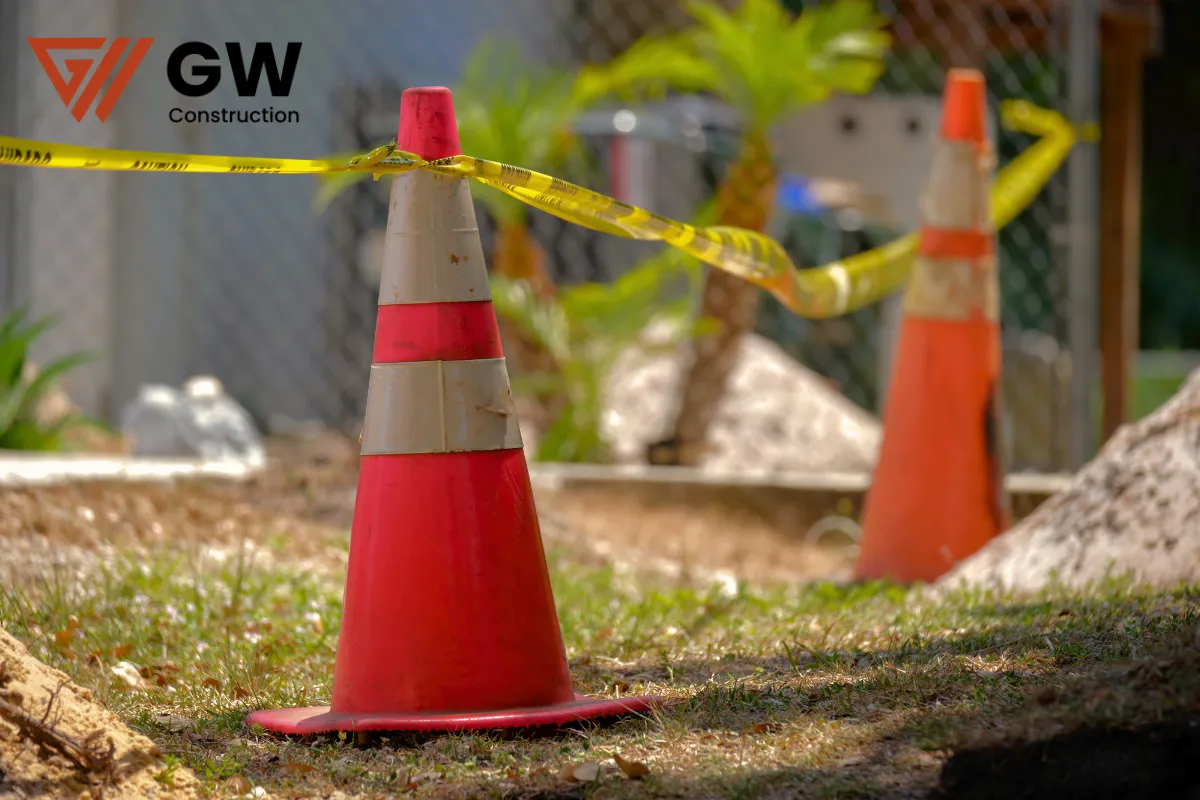
Use sturdy barriers or cones to separate work zones from living spaces, and schedule daily cleanups so crews can remove dust, tools, and materials at the end of each day. This helps keep the area neat and reduces possible hazards.
Also, check that outdoor lighting remains sufficient for safe movement at night. These small safety details help prevent accidents and keep everyone calm throughout the repair process.
6. Keep Records and Plan for Future Compliance
When the repairs are finished, your work isn’t quite done yet. Keeping organized records will make future inspections and maintenance much easier.
Here’s what to keep on file:
- The inspection report and final repair documentation.
- Any permits or city approvals related to the project.
- Invoices, warranties, and material details from contractors or suppliers.
- Notices and communication logs were shared with tenants during the project.
Having all this information in one place saves time and protects you in case questions come up later. It also helps when the next inspection cycle comes around. Since SB 721 inspections must be repeated every six years, these records can guide your next project.
Use this time to note what worked well and what you’d do differently next time. Did a certain schedule reduce disruption? Were some communication methods more effective? Learning from each experience makes the next round of repairs even smoother.
If you’re preparing your next budget, it’s a good idea to review the repair costs under SB 721 so you’ll know what expenses to expect for upcoming maintenance or compliance work.
Bottom Line
Planning SB 721 repairs begins with understanding the law, obtaining a clear inspection report, and establishing a schedule that respects your tenants’ routines. Combine that with open communication and strong safety measures, and you’ll have a process that runs efficiently from start to finish.
If you’ve noticed signs that your property may need larger updates, like aging decks or structural wear, it might be worth considering whether your building could benefit from a broader renovation.
At GW Construction, we help property owners plan and manage SB 721 repairs with minimal disruption. Our team focuses on safety, efficiency, and clear communication so your tenants stay comfortable and your property stays compliant.
Reach out to us at 619-848-0738, email hello@constructionsandiego.com, or visit our services page to book your inspection and repair today.