
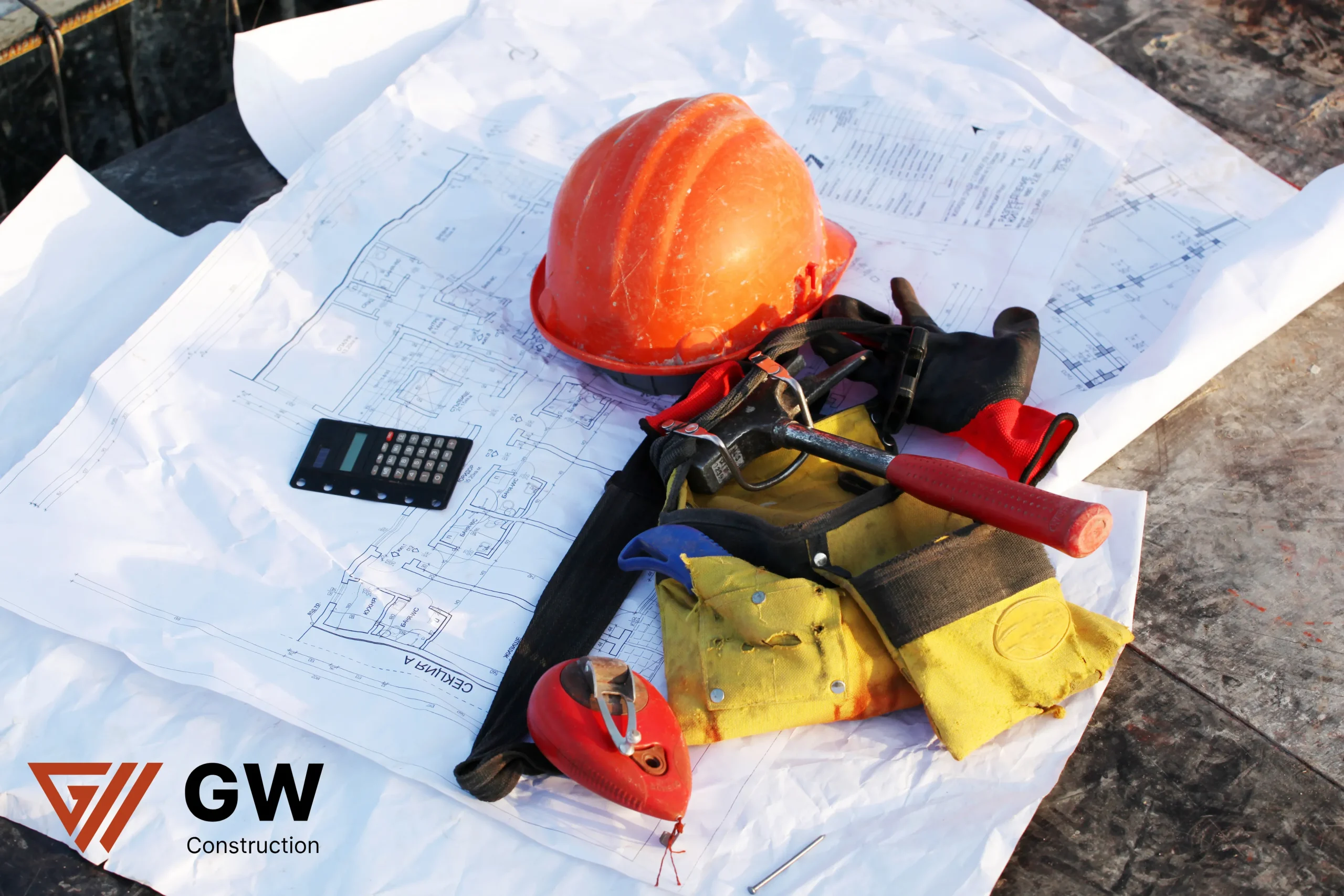
SB 326 compliance and balcony inspection costs are critical budget considerations for every San Diego HOA and condo association. If you are a property manager or board member wondering how much balcony repairs will cost this year, the answer depends on several factors, but one thing is certain: delaying mandatory maintenance under California’s SB 326 and SB 721 laws will cost you significantly more in the long run.
Taking care of an apartment building or condo complex is a lot like taking care of your health. If you ignore a small problem today, it usually turns into a huge, expensive emergency tomorrow. For HOA boards and property managers in San Diego, this is especially true when it comes to exterior elevated element (EEE) inspections and repairs required by state law.
Understanding SB 326 and SB 721 Compliance Requirements in 2026
California’s balcony safety laws are not optional. SB 326 applies to condominiums and common interest developments with HOAs, while SB 721 covers apartment buildings with three or more units. Both laws require regular inspections of exterior elevated elements, including balconies, decks, stairways, and walkways that are more than six feet above ground level.
What Does SB 326 Compliance Involve?
SB 326 requires HOAs to conduct inspections every nine years by a licensed structural engineer, architect, or certified building contractor. The inspection must evaluate the load-bearing components and associated waterproofing systems of all exterior elevated elements. Once you receive your inspection report, any safety issues must be addressed promptly to avoid liability and fines.
Many property managers tell us that looking at a 100-page inspection report feels overwhelming. However, the financial reality of 2026 is clear: waiting to fix your balconies is the most expensive choice you can make.
The Financial Consequences of Non-Compliance
Not following SB 326 and SB 721 requirements carries serious penalties:
- Daily fines ranging from $100 to $500 until compliance is achieved
- Increased liability exposure if accidents occur on uninspected or unrepaired structures
- Higher insurance premiums or potential loss of coverage for non-compliant properties
- Decreased property values when safety issues become public record
How Much Do Balcony Repairs Cost in 2026?
Breaking Down the Cost Per Square Foot
A common question we hear is about the price per square foot for balcony repairs. For a standard project in San Diego, you are likely looking at a range of $250 to $400 per square foot. This covers the essential structural work and the final touches that keep your building looking great and functioning safely.
However, this range varies significantly based on the scope of repairs needed. Minor waterproofing touch-ups may come in at the lower end, while extensive structural repairs involving joists, beams, or support columns will push costs higher.
Key Factors That Drive Balcony Repair Costs
Several critical factors influence the final cost of your SB 326 compliance project:
The Extent of Existing Damage
A small crack in waterproofing is a relatively inexpensive fix, often requiring only surface repairs and resealing. However, if water has penetrated to the support beams or joists, the price jumps dramatically. Water damage to wood framing components requires complete removal and replacement, often affecting multiple layers of the structure.
The longer you wait, the more moisture infiltrates the system. What starts as a minor leak can spread to adjacent areas, turning a localized repair into a major reconstruction project.
Material Costs and Market Volatility
Construction materials like lumber, steel framing, waterproofing membranes, and finishing materials are commodities with fluctuating prices. In 2026, we are seeing relative stability compared to the extreme volatility of 2021-2022, but prices remain elevated.
Quality materials matter for long-term performance. We use proven waterproofing systems and treated lumber that will last through the next inspection cycle and beyond. Choosing inferior materials to save money upfront often leads to premature failure and more expensive repairs down the line.
Site Logistics and Access Challenges
Many balcony repair projects involve complex logistics that impact costs:
- Scaffolding and equipment access for multi-story buildings
- Trenching for utilities when upgrades are required
- Traffic control and safety measures for occupied buildings
- Coordination with residents to minimize disruption
- City permit fees and inspection requirements
Each project site presents unique challenges. A ground-floor deck is simpler to access than a third-story balcony requiring full scaffolding. Buildings with limited access or tight urban locations may need specialized equipment, increasing costs.
Hidden Costs of Deferred Maintenance
Beyond the direct repair costs, deferring maintenance creates additional expenses that many property managers overlook:
Scope creep: A balcony that needs minor repairs today may require complete replacement in two years. Moisture is the enemy of your building. Once it penetrates the waterproofing system, it spreads through wood framing, causing rot, mold, and structural deterioration.
Emergency repairs: When a balcony fails unexpectedly, you lose the ability to plan and budget strategically. Emergency repairs cost 30-50% more than planned maintenance due to rushed timelines, weekend or overtime labor, and limited contractor availability.
Resident displacement: Severe damage may require temporarily relocating residents, creating additional costs and liability concerns.
Is the Cost of Balcony Construction Going Up in 2026?
Current Construction Cost Trends
Yes, construction costs continue to rise, though not at the dramatic pace of recent years. We are seeing steady increases of 5% to 10% annually due to persistent inflation and ongoing skilled labor shortages in the San Diego construction market.
If you wait until next year to start a project you could begin today, you are essentially choosing to pay a waiting tax. A $100,000 repair project in 2026 may cost $105,000 to $110,000 in 2027, simply due to market conditions.
The Insurance Factor
The real financial risk extends beyond construction costs. Insurance companies are dramatically increasing premiums for HOAs that have not completed their required inspections and repairs on time. In California’s current insurance climate, carriers are closely scrutinizing property maintenance and compliance.
We have worked with several associations that faced insurance non-renewal notices due to incomplete SB 326 compliance. Finding replacement coverage in this market is challenging and expensive. Conversely, properties that proactively maintain their exteriors and demonstrate strong risk management often qualify for better rates.
Labor Availability and Quality
The skilled trades shortage continues to affect the construction industry. Experienced carpenters, waterproofing specialists, and structural repair technicians are in high demand. Waiting to start your project may mean facing longer lead times and potentially higher labor costs as demand increases.
Working with an established contractor who maintains relationships with quality subcontractors helps ensure your project proceeds on schedule without compromising craftsmanship.
The Benefits of Proactive Balcony Maintenance
Financial Advantages of Early Action
When you tackle repairs early and address inspection findings promptly, you are not just following the law. You are protecting your budget and making a smart financial decision. Proactive maintenance delivers measurable benefits:
Avoiding costly fines: Daily penalties of $100 to $500 add up quickly. A six-month delay in addressing violations could cost $18,000 to $90,000 in fines alone, money that provides no value to your property.
Stopping scope creep: Addressing waterproofing issues before they become structural problems saves tens of thousands of dollars. Replacing a waterproofing membrane costs a fraction of replacing rotted joists and substructure.
Maintaining property values: Well-maintained properties with current safety certifications are more attractive to buyers and command higher resale values. Disclosed safety issues or deferred maintenance create negotiating leverage for buyers and reduce sale prices.
Qualifying for better insurance rates: Properties with documented maintenance programs and current inspections often receive preferential insurance pricing. We have seen success stories like Baylor Management, where proactively repairing 16 balcony decks helped them negotiate lower insurance premiums, offsetting a significant portion of the repair costs.
Safety and Liability Protection
Beyond financial considerations, SB 326 compliance protects people. Balcony failures can cause serious injuries or fatalities. As a board member or property manager, you have a duty to provide safe housing for residents and guests.
Completing required inspections and repairs demonstrates due diligence. In the event of an incident, documentation of proactive maintenance significantly reduces liability exposure. Conversely, neglecting known deficiencies creates substantial legal and financial risk.
Building Resident Trust and Satisfaction
Residents notice when their HOA takes maintenance seriously. Clear communication about inspection findings, a transparent repair plan, and professional execution builds confidence in leadership.
We prioritize clean job sites, respectful interactions with residents, and regular progress updates. When people see their assessment dollars being used wisely to maintain and improve their property, satisfaction increases and board tensions decrease.
How to Budget Effectively for SB 326 Compliance
Getting Accurate Estimates
The first step in budgeting is obtaining detailed, itemized estimates from qualified contractors. Avoid vague proposals that lump everything into a single line item. You need to understand exactly what work is being performed and what each component costs.
A quality estimate should include:
- Detailed scope of work addressing each finding in your inspection report
- Material specifications including brands and performance ratings
- Labor breakdown showing crew size and timeline
- Permit and inspection fees
- Site logistics costs such as scaffolding or equipment rental
- Project timeline with milestones and completion date
- Warranty information covering both materials and workmanship
Planning for Reserve Funding
HOAs should maintain adequate reserve funds for major maintenance projects like balcony repairs. If your reserves are insufficient, explore these options:
Special assessments: While unpopular, a one-time special assessment may be necessary to address immediate safety concerns. Spreading the assessment over several months can ease the burden on owners.
Reserve loans: Some HOAs qualify for loans specifically designed to fund reserve projects, allowing you to complete necessary work while spreading payments over time.
Phased repairs: If your inspection report identifies multiple areas needing attention, prioritize the most critical items first and phase remaining work over one or two years as budget allows.
Avoiding Low-Ball Bids
Some contractors promise unrealistically low prices to win bids, then hit you with change orders and extras that balloon the final cost. This approach creates budget uncertainty and damages trust.
At GW Construction, we pride ourselves on transparent, accurate pricing. Our estimates reflect the true cost of doing the job right the first time. We would rather lose a bid to an unrealistic competitor than surprise you with unexpected costs mid-project.
Why Choose GW Construction for Your SB 326 Project
Full-Service Partnership
We approach every project as a partnership, not a transaction. From the moment you receive your inspection report through final sign-off, we guide you through the entire process. Our services include:
- Inspection report review to identify priorities and options
- Detailed, transparent estimates with no hidden costs
- Project scheduling that minimizes disruption to residents
- Professional project management with regular communication
- Quality craftsmanship backed by comprehensive warranties
- Final documentation for your compliance records
Proven Track Record in San Diego
We have completed dozens of SB 326 and SB 721 compliance projects throughout San Diego County. Our experience includes everything from small condo complexes with a handful of balconies to large apartment communities with extensive elevated elements.
We understand the local building codes, permit requirements, and inspection processes. This expertise helps projects proceed smoothly without unexpected delays or compliance issues.
Changing the Construction Industry
The construction industry has a reputation for poor communication, missed deadlines, and surprise costs. We are committed to changing that perception. Our approach emphasizes:
- Clear, honest communication at every stage
- Realistic timelines that we consistently meet
- Transparent pricing with detailed explanations
- Respect for residents and property staff
- Quality workmanship that lasts
When you work with GW Construction, you get a partner who cares about your success as much as you do.
Take Action Now to Protect Your Investment
Do not let a lengthy inspection report sit on your desk while problems worsen and costs escalate. Every month you delay increases the risk of additional damage, higher repair costs, regulatory fines, and insurance complications.
The question is not whether to address your SB 326 compliance needs, but when. The answer should be now, while you can still control the process, timeline, and budget.
Reach out to us at 619-848-0738, email hello@constructionsandiego.com, or visit our services page to book your inspection and repair today. Let us turn your inspection report into a clear, manageable action plan that fits your budget and protects your property for years to come.