
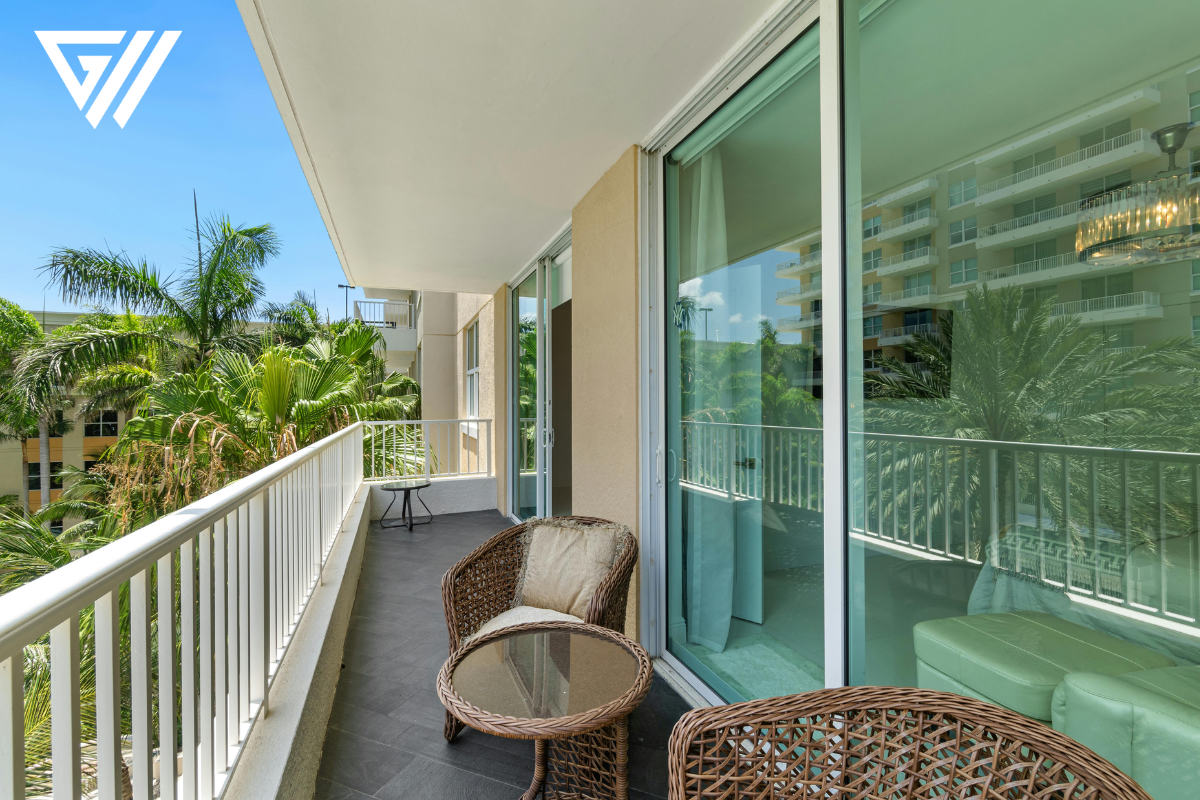
If you manage a condo or HOA building in California, SB 326 requires regular inspections of balconies, decks, and walkways. After the inspection, you’ll get a report outlining any needed repairs. That’s when cost estimates become important.
Understanding these repair estimates help you plan your budget, update your board, and make smart decisions about the work ahead. But estimates can be confusing if they don’t include clear details about costs, materials, or timelines.
This blog will explain what goes into a good repair estimate, what to watch out for, and how to make sure you’re getting fair and accurate pricing after an SB 326 inspection.
What Affects Your Balcony Repair Estimate?
After an SB 326 inspection, your contractor will give you an estimate for how much the repairs will cost. But not all buildings are the same, and not all damage costs the same to fix. Here are the biggest things that can affect the price.
1. How Many Repairs Are Needed
The more damage found in your building, the more it will cost to repair. If only one or two balconies have small problems, your estimate might be low. But if damage is found in several units or in places that were not part of the original sample, your cost will go up.
Some HOAs choose to repair just the balconies listed in the inspection report. Others decide to fix everything, including areas that weren’t tested but are likely to have the same issues. That choice can change the total cost by tens of thousands of dollars.
Also, emergency repairs like major dry rot or unsafe railings may need to be done right away, which means you won’t have much time to shop around or spread out the cost.
2. Type of Materials
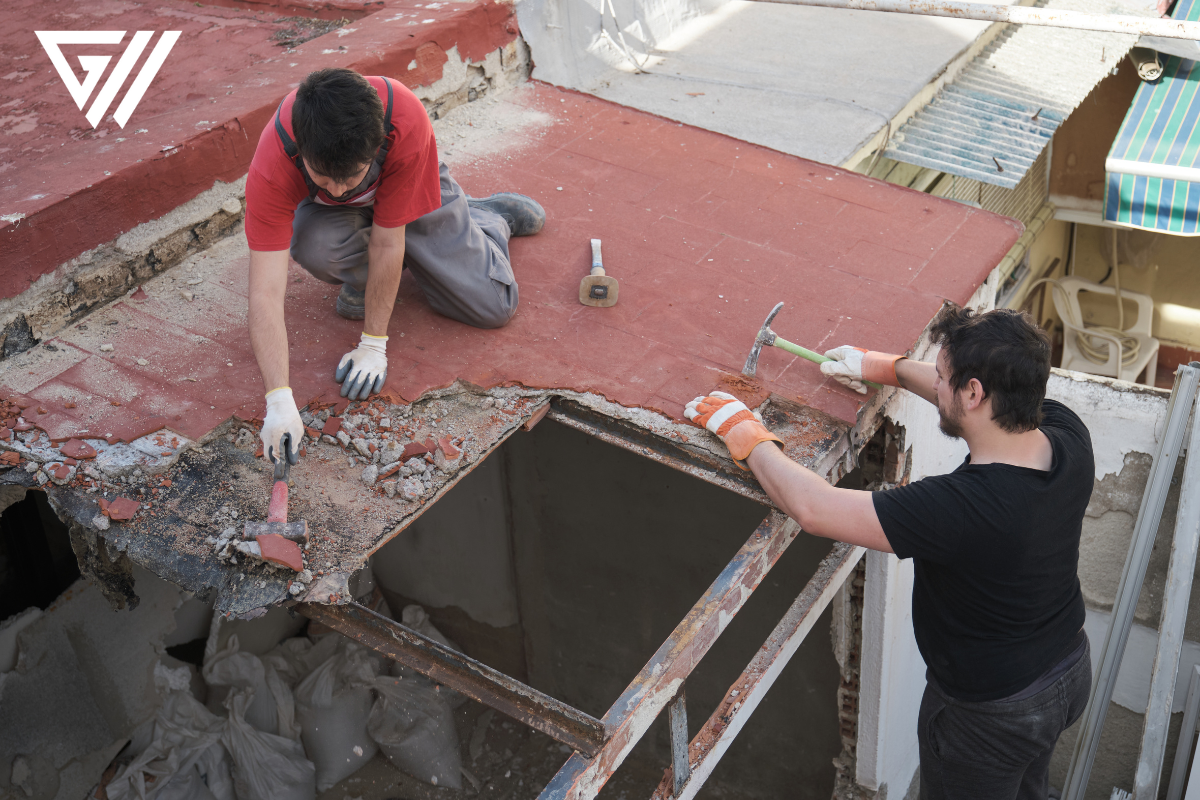
Different buildings are made from different materials, and that affects the price. For example:
- Wood is often cheaper to repair but may need full replacement if it’s rotting.
- Steel or concrete might last longer but cost more to fix.
- Some balconies may need added layers like waterproof coating, flashing, or new railing systems.
The contractor will also consider whether the original materials are still available or if they’ll need to find a match. If your building has custom details or finishes, that can raise the price too.
3. Building Access
How easy it is to reach the repair site makes a big difference. If your balconies are on the second or third floor, workers may need to set up scaffolding or bring in lifts. This adds to both labor and equipment costs.
Tight spaces, sloped terrain, or buildings with no exterior access also take more time to work on. Your contractor will include these details in the estimate.
In some cases, limited access may even mean parts of the project must be done by hand instead of using power tools or large machines, which slows things down and costs more.
4. Labor and Permitting Costs in San Diego
San Diego has its own rules and permit costs. Some repairs need a simple over-the-counter permit, but others — especially if they involve structural work — require full plan sets and building reviews.
Permits can cost hundreds to thousands of dollars depending on the scope. And if your contractor is not familiar with local rules, the process can drag on for weeks or even months. That delay costs money.
Labor costs are also higher in coastal cities. If your project takes longer or needs highly skilled workers, that will be reflected in your final estimate.
5. Timeline and Urgency
The timeline you set matters. If you need work done fast, like before an insurance deadline or an upcoming HOA meeting, your contractor may need to pay workers overtime or bring in extra help. That adds to your cost.
If you have more time, you may be able to schedule the work during off-peak months or bundle it with other projects. Some contractors offer phased options so you can spread costs over time without delaying safety work.
How Contractors Calculate SB 326 Repair Costs
Once your SB 326 inspection report is complete, you’ll need a contractor to give you a cost estimate. This estimate helps you understand what the repairs will include, how much they’ll cost, and how long the work might take.
A good estimate should be clear, detailed, and easy to follow. Here’s how most contractors put it together.
1. Site Visit and Scope of Work
Before they can give you numbers, the contractor needs to understand the job. They may visit the site, look at the inspection report, and ask questions about building access, material preferences, or budget.
They use this information to create a scope of work. That’s just a list of everything that needs to be repaired or replaced. It includes how many balconies or walkways are involved, what materials will be used, and what kind of equipment is needed.
If some areas were not part of the original inspection but might also need work, the contractor may include optional or “as needed” items in the estimate.
2. Line-Item Breakdown
A strong estimate should not just give you one big number. It should break the total into smaller pieces so you can see exactly what you’re paying for.
This is called a line-item breakdown. It helps you understand where your money is going and makes it easier to compare prices between contractors.
For example, a clear estimate may include:
- Labor costs – how much the workers are paid for their time on-site
- Material costs – the wood, sealants, fasteners, and other building supplies
- Equipment rentals – lifts, scaffolding, or tools needed for the job
- Permit fees – the cost of getting city approval to start work
- Cleanup and disposal – removing old materials and making sure the site is clean and safe
If the estimate only shows one total cost with no explanation, ask the contractor to break it down. This is important if you need to present the numbers to your HOA board or plan out phased work across multiple months or years.
According to industry estimates, rebuilding a severely damaged balcony can cost $5,000 up to $15,000 and that’s just for one unit. If you’re managing a building with multiple balconies or walkways, it’s important to know exactly what you’re paying for at each step.
3. What’s Included and What’s Not
Not all estimates cover the same things. Some contractors include extra services in the base price, while others treat them as add-ons. You need to be clear about what’s covered so you don’t get hit with surprise costs later.
Ask your contractor if the following are included in the estimate or billed separately:
- Replacing damaged framing – Will they remove and rebuild any unsafe sections?
- Painting or finishing – Are paint or sealants part of the cost, or do you need to hire someone else?
- Safety railing updates – If railings don’t meet current code, will they fix or replace them?
- Waterproofing – Will they apply waterproof coatings or sealants after repairs?
- Permit handling – Will they take care of the paperwork, or is that up to you?
- Final inspection sign-off – Will they meet with the city inspector to close out the job?
If something important is missing, ask the contractor to include it or explain why it’s not part of the scope. Getting these details upfront can help you avoid delays, rework, or unexpected charges after the project starts.
A full SB 326 inspection across a building may cost between $5,000 and $20,000. Knowing what’s included in your estimate can help you avoid budgeting mistakes.
4. Comparing Multiple Estimates
It’s smart to get more than one estimate, but comparing them can be tricky if they are not written the same way.
One bid may seem cheaper, but it could be missing key services like permit fees or waterproofing. Another might include more work upfront but actually save money later by avoiding follow-up repairs.
When comparing estimates, pay attention to:
- What’s included – Look beyond the total price and check the scope
- Level of detail – Clear estimates are usually a sign of professional, organized teams
- SB 326 experience – A contractor who regularly works on SB 326 projects will know how to avoid delays and follow city rules
- Timeline and crew size – Can they start soon? Do they have enough workers to finish on time?
A good contractor should also be open to answering questions or walking you through the estimate. If someone gives vague answers or rushes you, that’s a red flag.
Timeline Considerations: How Long Will Repairs Take?
Repair timelines can vary from one property to another. Some jobs are simple and only take a few days, while others are large projects that last for months. Understanding what affects the schedule will help you plan ahead and avoid delays.
Minor vs. Major Repairs
Small repairs, like fixing a single balcony railing or sealing cracks, may be finished in less than a week. Larger issues, such as replacing wood framing or rebuilding multiple balconies, can take several weeks or longer.
If your inspection report shows widespread damage, expect the project to take more time and more coordination.
Permit Wait Times
One of the biggest delays often comes before repairs even start. In San Diego, the average wait for a building permit is about 49 business days, or nearly 10 weeks.
If your contractor doesn’t submit plans quickly or if the city asks for revisions, your project could be pushed back even further. This is why it’s important to apply for permits as soon as the inspection report is complete.
Tenant Access and Scheduling
Repairs often require access to private units. If residents aren’t prepared or don’t know when workers are coming, the schedule can slip.
For large HOAs or condo buildings, coordinating with dozens of tenants takes time. Giving clear notice and working with a contractor who has experience managing tenant communication can prevent delays.
Contractor Availability
Contractor schedules also matter. There are thousands of buildings that need SB 326 repairs across California, but only a limited number of qualified crews.
If you wait too long to book your contractor, you may find they are already fully booked, and your project might not start when you need it.
Total Timeline Expectations
When you put it all together, most projects follow this general order:
- Inspection and report review – a few weeks
- Permit application and approval – about 10 weeks in San Diego on average
- Repairs and construction – a few days for small fixes, several weeks or months for major work
- Final sign-off – a short follow-up inspection once repairs are complete
In total, even a smooth project may take three to six months from inspection to final approval. For bigger projects, it may take longer. Planning ahead and acting early is the best way to stay on schedule.
Final Thoughts: Plan Early, Budget Smart
SB 326 inspections are only the first step. Once you receive the report, the repair costs and timeline become the real challenge. Small delays with permits, tenant coordination, or contractor scheduling can quickly stretch a project from weeks into months.
Property managers who plan ahead have the best results. That means reviewing the inspection report carefully, asking for detailed estimates, and choosing a contractor with SB 326 experience. A clear estimate not only helps you budget but also prevents costly surprises during the project.
The sooner you act, the smoother the process will be. Early planning protects your residents, keeps your building safe, and ensures your HOA or board stays compliant with state requirements.
Get a Clear, Honest Repair Estimate from GW Construction
At GW Construction, we know SB 326 inside and out. Our team handles inspections, permits, and balcony repairs with full transparency, so you can trust that your estimate is accurate and complete.
If you manage a condo or HOA in San Diego, reach out today to schedule a consultation and keep your property safe, compliant, and on budget.