
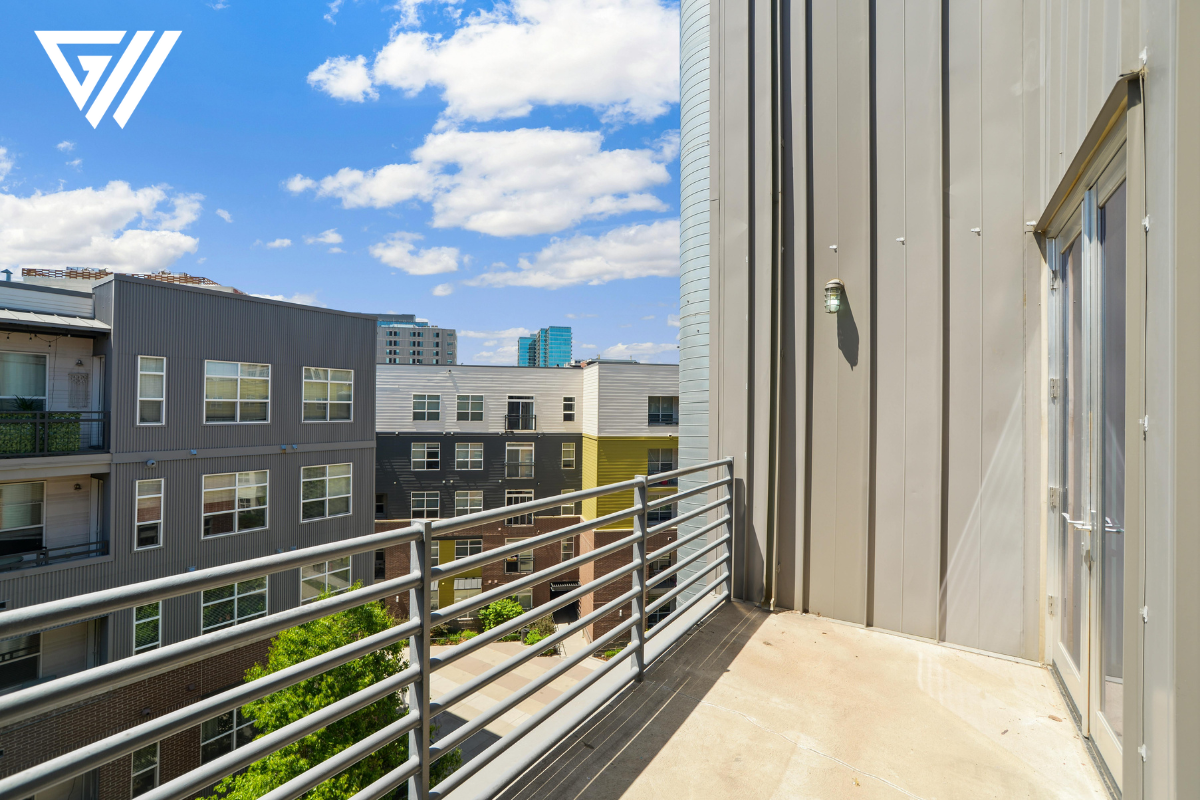
SB 721 is a law in California that says apartments and other rental buildings need to have their balconies, decks, and walkways inspected for safety.
If problems are found, repairs need to happen within a certain time. But many things can slow this down, like waiting for permits, not having a contractor ready, or delays with paperwork.
This blog will show you what causes those delays and how to avoid them. If you’re a property owner or manager, this guide can help you fix things fast, follow the rules, and keep people safe.
What Is SB 721 and When Is the Deadline?
SB 721 is a California law that says balconies, decks, and walkways in older apartment buildings must be inspected for safety. It applies to buildings with three or more units and wood structures that are at least 6 feet off the ground.
If inspectors find damage, repairs must be made on a strict timeline. The original deadline for the first round of inspections was January 1, 2025, but it was extended to January 1, 2026. Even with more time, many buildings still haven’t been checked.
There are about 500,000 buildings that need inspections in California, but only around 200 qualified inspectors. That means it’s getting harder to book someone. If you wait, you could run into delays and higher costs.
Common Bottlenecks That Slow Down SB 721 Repairs
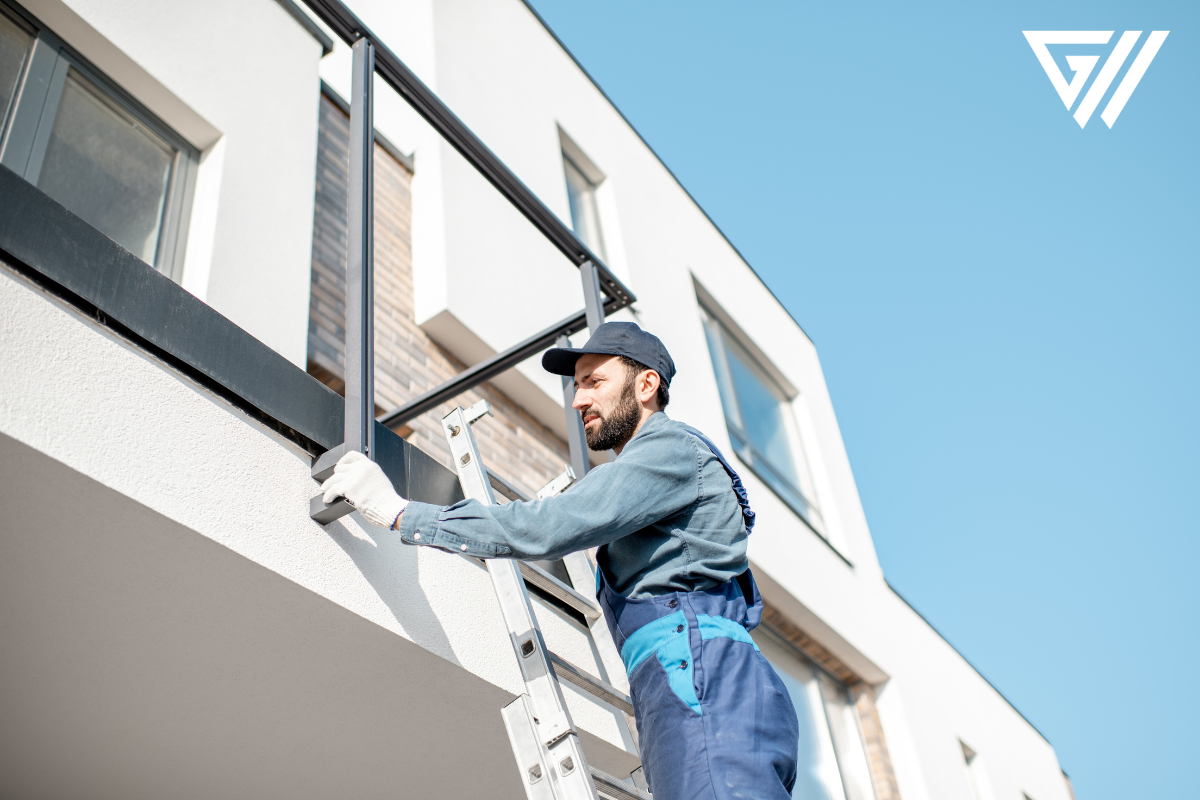
Even with the extended deadline, many property owners are struggling to stay on track with SB 721 compliance. Most delays don’t come from the work itself, but from things like slow planning, long waits, or miscommunication.
Here are the biggest issues that cause projects to fall behind and how you can avoid them:
1. Waiting on Inspection Reports or Engineers
You can’t start repairs without an inspection first. But there’s a major backlog across California. SB 721 requires inspections for around 500,000 multifamily buildings, but there are only about 200 qualified inspectors available statewide.
That means each inspector would need to do over 800 inspections a year just to keep up, and that’s not realistic.
Because of this, many inspection teams are booked out for months. If you wait too long to schedule your inspection, you may miss the window for repairs and end up paying daily fines.
Tip: Book your inspection as early as possible. Look for a team that handles both inspections and repairs to save time.
2. Delays in City Permitting
Once your inspection report is done and repairs are planned, you’ll need a permit before the work can begin. Permits often take longer than people expect. In San Diego, the average wait for a building permit is around 49 business days, or nearly 10 weeks.
If you don’t account for this in your timeline, your project could sit idle for months, especially if the city is backed up or requests changes to your plans.
Tip: Work with a contractor who knows the local permitting process. Some can help speed it up by submitting complete plans and following up with the city regularly.
3. Poor Communication with Tenants
Repairs often require access to private balconies or walkways, which means you’ll need to coordinate with tenants. If they aren’t notified ahead of time, or if they don’t understand why the work is needed, you might face delays or complaints.
This is especially true for buildings with a high number of units or residents who are hard to reach during work hours.
Tip: Send out notices early and clearly explain the schedule. Give tenants time to prepare and keep them updated if anything changes.
4. Contractor’s Inexperience with SB 721
Not all contractors know how SB 721 works. Some might not understand the inspection rules, the permit steps, or the timelines you need to follow. Others may be overbooked and not able to start right away.
Missing the repair deadline can be expensive. If your project isn’t completed on time, local agencies can fine you $100 to $500 per day, and in some cases, they can place a lien on your property.
Tip: Choose a contractor who already works on SB 721 projects. They’ll understand what’s required and help you avoid costly mistakes or delays.
What to Expect from a Typical SB 721 Repair Timeline
Most SB 721 projects follow four main steps. Understanding what happens at each stage can help you plan better, avoid delays, and stay within the rules.
Step 1: Schedule and Complete the Inspection
The first step is to hire a licensed professional, like a structural engineer or architect, to check all your elevated wood structures. This includes balconies, decks, stairs, and walkways that are six feet or higher.
During the inspection, they’ll look for problems like:
- Cracked or rotting wood
- Rusted metal connectors
- Water damage or leaks
- Loose railings or wobbly boards
Once the inspection is done, they’ll give you a written report. This report tells you if everything is safe or if repairs are needed. If there are safety hazards, they’ll also say how soon you need to fix them.
If the inspector finds serious safety risks, repairs must happen right away. If the issues are not urgent, you still have to act within a set timeline (see below).
Step 2: Submit Plans and Apply for Permits
If repairs are required, your next step is to work with a contractor or engineer to create a repair plan. This plan must be submitted to the city, along with a permit application.
The permit lets your team legally begin construction. But getting one isn’t instant. In San Diego, the average wait time is about 49 business days, or nearly 10 weeks. If the city requests changes to your plans, it can take even longer.
SB 721 gives you 120 days from the date of the inspection report to apply for permits. If you miss this window, you could face fines or penalties. Start your paperwork right after you get the report. Delays here can set your whole project back.
Step 3: Start and Finish the Repairs
Once your permit is approved, your contractor can begin the repairs. This work will depend on what the inspector found. Common tasks include:
- Replacing damaged wood or beams
- Fixing loose railings
- Adding waterproof coatings
- Reinforcing stair supports
Some repairs are simple and take a few days. Others are more complex and may take several weeks, especially if many units are involved.
Under SB 721, you have 120 days from the date your permit is approved to finish the repairs. If the work isn’t done on time, you can be fined $100 to $500 per day, and the city may place a lien on your property until the work is complete.
Step 4: Get Final Sign-Off
After the repairs are done, the city or your inspector will return to check the work. If everything looks good, you’ll get a final sign-off.
This step is important. It shows that your building is now safe and fully compliant with SB 721.
Tip: Keep a copy of your final report and inspection records. If the city ever asks for proof, you’ll have everything ready.
Don’t Wait Until It’s Too Late
SB 721 inspections and repairs can take months to complete. Between finding an inspector, applying for permits, and finishing the work, each step takes time. That’s why planning early is the best way to stay ahead, especially with the 2026 deadline getting closer.
Many projects get delayed because of things like permit wait times or missed paperwork. Others run into problems because the contractor doesn’t fully understand SB 721 rules. These slowdowns can lead to fines, tenant complaints, or bigger safety risks.
The best way to stay on track is to work with a team that knows the process. When you plan ahead and partner with experts, you can avoid the stress of last-minute work and keep your building safe and compliant.
Work with GW Construction for Fast, Compliant SB 721 Repairs
GW Construction handles everything — from inspections to final repairs — so your project runs smoothly. We know SB 721 inside and out, and we work with buildings across San Diego and Southern California.
Reach out today to book your inspection and get your balconies and walkways fixed fast.